Age alone is a weak reason to replace a furnace that still heats safely. A 20-year-old furnace is worth replacing when an inspection shows safety concerns like a cracked heat exchanger, repairs are getting frequent or expensive, parts are hard to find, or you are already replacing the air conditioner. If it passes a thorough inspection, planning ahead and budgeting is a reasonable choice.
Some homeowners want a simple number. Furnace age starts the conversation, and condition, safety, repair history, and timing decide it. Here is how to think it through.
How long does a furnace last in Texas?
Many gas furnaces are built to last somewhere around 15 to 20 years, and plenty run longer. Texas furnaces often have an easier life than furnaces up north because they run fewer hours each winter. A furnace in Dallas, Fort Worth, or Houston might sit idle for most of the year and then work hard for a few cold snaps.
That is why you will meet Texas homeowners with 25-year-old furnaces that still fire up every November. It is also why age by itself tells you less than you might expect. Two 20-year-old furnaces can be in very different shape depending on how they were installed, how often they were maintained, and whether the attic or closet they live in stays dry.
What is the difference between “old” and “at end of life”?
An old furnace is one that has been in service a long time. A furnace at end of life is one where the parts that matter most are wearing out, safety margins are shrinking, or the cost of keeping it running no longer makes sense.
The signs that point toward end of life include:
- Heat exchanger concerns. Cracks, heavy rust, or signs of overheating on the heat exchanger are the most serious finding on an older gas furnace, because that part keeps combustion gases separate from the air you breathe.
- Repeat repairs. Several service calls in the last couple of seasons, especially for different parts, suggest the furnace is wearing out on several fronts.
- Parts availability. Some components on older models become harder to find or are replaced with universal parts that may need extra work to fit.
- Comfort problems. Rooms that never warm up, long run times, or short cycling can point to a furnace struggling with the house it serves, or to duct and airflow problems worth checking.
- Unusual smells, sounds, or flame behavior. A yellow or flickering burner flame, a burning smell that lingers past the first run of the season, or new rumbling and banging are all worth a professional look.
If you smell gas, leave the house and call your gas utility from outside. Every home with a gas furnace should also have working carbon monoxide alarms.
What should a technician be able to show you before recommending replacement?
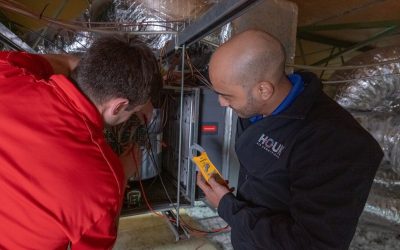
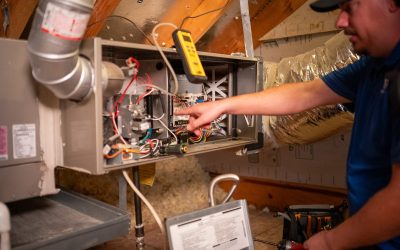
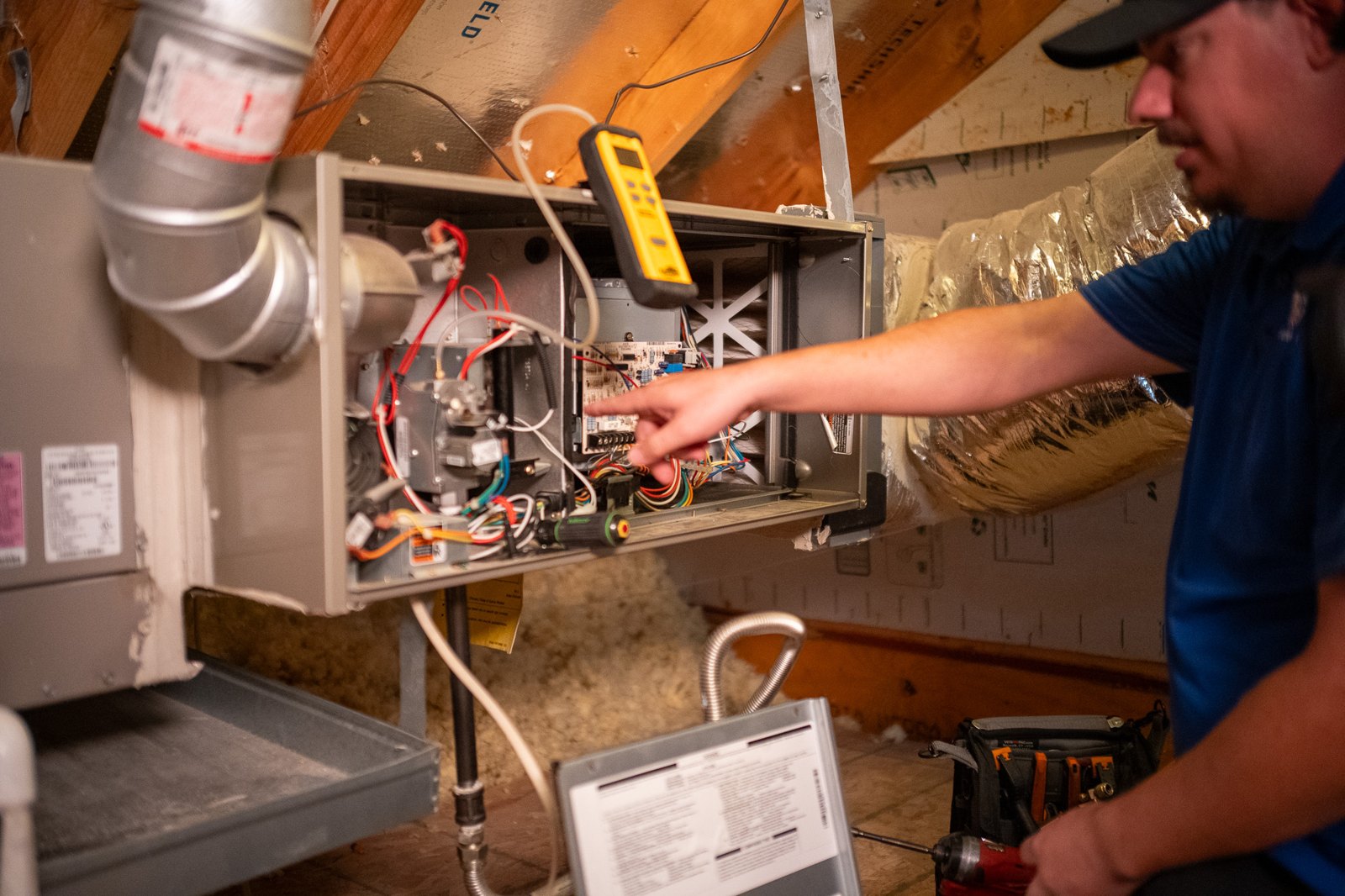
A good replacement recommendation comes with evidence and reasoning you can follow. Ask your technician to show you:
- Photos or a camera view of the heat exchanger and burners, with any concerns pointed out
- Combustion and safety readings, and what they mean
- The repair history and what the next likely repairs are
- Whether the furnace is the right size for the house and how the ductwork is performing
At Houk, our technicians explain what they find and why it matters, so you can make the call with real information. If the furnace checks out, we will tell you that too and help you plan for the years ahead.
Should you replace a furnace before it fails?
There is no universal rule, and reasonable people land on both sides. Replacing proactively gives you more control. Running it until it fails can stretch your budget further. Here is how the two paths usually compare.
Planning ahead gives you:
- Time to compare options, quotes, and financing on your schedule
- A chance to pair the furnace with a matched air conditioner or heat pump
- Installation on a calm day, before the first hard freeze
- Fewer nights without heat while you wait on parts or an install date
Keeping it running makes sense when:
- A thorough inspection finds the heat exchanger and safety controls in good shape
- Repairs have been rare and minor
- The furnace keeps every room comfortable
- You have a replacement fund set aside so a failure is easier to absorb
Many homeowners choose a middle path: keep a healthy older furnace on an annual tune-up, set money aside, and replace when the next major repair comes up or when the air conditioner needs replacing.
Should you replace the furnace and AC at the same time?
Often it makes sense. If your furnace is 20 years old, your air conditioner may be close to that age too. Replacing both together lets you match the indoor and outdoor equipment, size them for your home, and handle the ductwork once. It usually costs less than two separate projects.
Age matters more on the cooling side if your AC still uses R-22 refrigerant. New R-22 has been phased out in the United States, so refrigerant repairs on older systems get harder to justify over time. The EPA’s homeowner fact sheet on the R-22 phaseout explains what that means for repair and replacement.
Buying a home with an older furnace?
If you are a first-time buyer and the inspection report says the furnace is 20 years old, that alone does not mean it is failing. A general home inspection may not include a full look at the heat exchanger or combustion performance. During your option period, an HVAC evaluation can tell you whether the system is in fair shape, near the end, or somewhere in between. That gives you a better basis for asking for repairs, a credit, or simply setting aside money for a future replacement. Our HVAC checklist for DFW homebuyers covers what to ask before closing.
What does Houk include with a furnace replacement?
When you decide it is time, Houk’s Comfort Consultants start with your home: a load calculation, a ductwork check, and a conversation about comfort issues you have noticed. We are a Trane Comfort Specialist and also install Lennox, Carrier, and Goodman equipment, so we can match the system to the house and your budget.
Complete system replacements come with a 2-year labor warranty that transfers if you sell the house, and we register your manufacturer equipment warranties for you. In the Oncor service area in DFW, ask your Comfort Consultant whether your new equipment qualifies for rebate paperwork. You can also ask about current specials and financing options on complete systems. Learn more about our furnace and heater replacement service.
Frequently asked questions
Is it worth replacing a 20-year-old furnace that still works?
It can be, but age is only one factor. Replace it if an inspection finds safety concerns, repairs are piling up, parts are hard to get, or you are already replacing the AC. If it passes inspection, budgeting and planning ahead is a reasonable path.
How long do furnaces last in Dallas and Houston?
Many gas furnaces last around 15 to 20 years, and Texas furnaces often last longer because they run fewer hours each winter. Maintenance, installation quality, and the conditions where the furnace sits all affect lifespan.
What is the most serious problem on an old gas furnace?
A cracked or badly corroded heat exchanger, because that part keeps combustion gases out of your home’s air. A technician should inspect it and show you any concerns.
Should I ask for a credit if the furnace in a house I’m buying is old?
Have an HVAC evaluation done during your option period first. If it shows the furnace is near the end of its life, that finding gives you a clear reason to negotiate a repair, a credit, or a price adjustment.
How often should an older furnace be serviced?
At least once a year, ideally in the fall before cold weather. An annual tune-up is also the best time for a technician to check the heat exchanger and safety controls on an older unit.
Not sure where your furnace stands?
The simplest first step is a heating tune-up. Houk’s advertised $89 tune-up gives a technician time to look over your furnace, check safety controls, and tell you honestly whether it has years left or it is time to start planning. Learn more about heater maintenance. Houk is family owned and operated, serving homeowners across Dallas, Fort Worth, and Houston.