
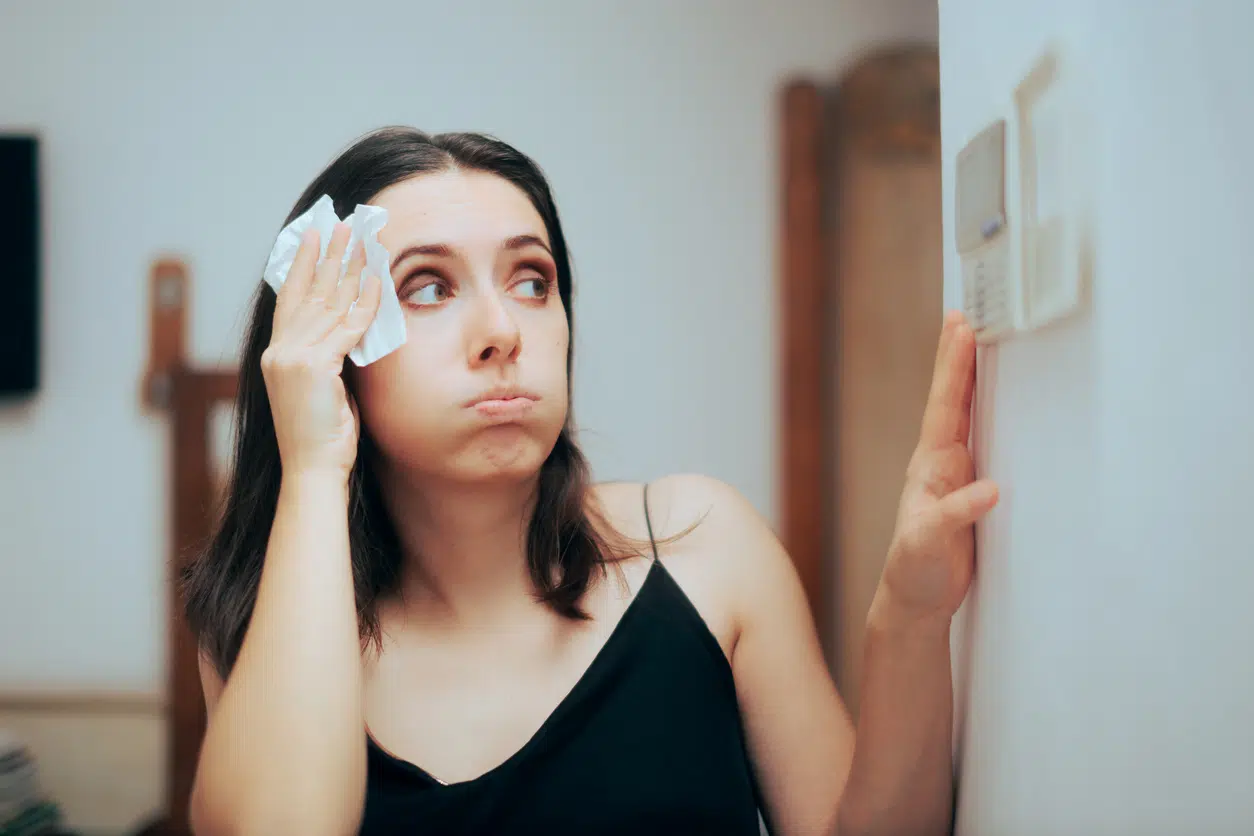
Spring in DFW has a way of making your air conditioner behave strangely. One afternoon, it’s 85 degrees, and the system is running hard. The next morning, it barely kicks on. But if you’ve noticed your AC firing up, running for just a few minutes, shutting off, and then starting the cycle all over again, that’s not just your system adjusting to the weather. That pattern has a name, and it’s worth paying attention to.
At a Glance
- Frequent on-off cycling, known as short cycling, is one of the most common AC complaints during DFW’s spring temperature swings
- Several issues can cause it, from thermostat problems and restricted airflow to an oversized system or low refrigerant
- Short cycling increases energy costs and accelerates wear on major components like the compressor
- Some causes are simple fixes, but others need professional evaluation before they lead to bigger problems
- Promo Alert: Take advantage of Houk’s Spring AC Readiness Checkup, available through March 31
What AC Short Cycling Looks Like
A normal cooling cycle runs for roughly 15 to 20 minutes. The system turns on, brings your home to the set temperature, and shuts off until the next cycle is needed. When your AC keeps turning on and off every few minutes instead, running for just five minutes or less before shutting down and restarting, that’s short cycling.
It might not seem like a big deal at first, especially during spring when temperatures are bouncing around. But the startup phase is the hardest part of every cycle. That’s when your compressor draws the most energy and experiences the most mechanical stress. The more often it starts and stops, the harder it works without ever really getting ahead.
What Causes It
Short cycling rarely comes down to one universal cause. In North Texas, where spring conditions can shift dramatically from one day to the next, a few culprits show up more often than others.
Thermostat Issues
If your thermostat is reading the wrong temperature, whether it’s due to a bad sensor, direct sunlight, or placement near a heat source like a kitchen or south-facing window, it can signal your system to shut off before the house has actually cooled. The system thinks it’s done, pauses, realizes it’s not, and starts again.
Restricted Airflow
When airflow is limited, the evaporator coil can freeze and trigger a safety shutoff. Once the coil warms slightly, the cycle restarts. Blocked return vents, clogged filters, and closed registers are common contributors, particularly after a winter when vents may have been covered or forgotten.
An Oversized System
If your AC is too large for your home’s square footage, it cools the space so quickly that the thermostat is satisfied almost immediately. The system never runs long enough to properly dehumidify, and the constant on-off pattern creates exactly the kind of stress that shortens equipment life.
Oversizing is especially common in older DFW homes where systems were replaced without a proper load calculation.
Low Refrigerant
When levels drop from a slow leak, the system can’t absorb heat effectively. Internal pressure changes trigger safety shutoffs, and the system restarts only to hit the same problem. This one tends to get progressively worse as the leak continues.
An Aging or Failing Compressor
As the compressor wears, it can overheat and trip its internal safety switch, causing repeated short cycles. If your system is 10 to 15 years old and this pattern is new, compressor fatigue is worth investigating.
Is Short Cycling Bad for Your AC?
Yes, and more than most homeowners realize. The damage adds up in a few ways.

Compressor Strain
Every startup is the hardest moment in a cooling cycle. Short cycling multiplies that stress across dozens of unnecessary startups per day, and over a full DFW summer, that can take years off your equipment’s life.
Poor Humidity Control
Your system never runs long enough to pull moisture out of the air, which means your home may feel clammy even though the thermostat says it’s at the right temperature.
Higher Energy Bills
Homeowners dealing with HVAC problems always want to know: Does turning the AC on and off cost more? Well, when it’s happening involuntarily through short cycling, absolutely.
Your system uses the most energy during startup, so frequent restarts mean higher electricity bills without the comfort to show for it.
When It’s a Quick Fix vs. When You Need a Pro
A few of the causes listed above are things you can check yourself:
- Make sure vents and registers throughout the house are open and unblocked
- Confirm your thermostat is set to COOL and the fan is on AUTO
- Check that the thermostat isn’t mounted somewhere that gets direct sunlight or heat
- Swap your air filter if you haven’t recently
If the cycling continues after those basics are covered, or if it’s happening consistently rather than just on wildly fluctuating spring days, it’s time for a professional evaluation.
Refrigerant leaks, compressor issues, and system sizing problems aren’t DIY territory. They require proper diagnostic equipment and trained eyes on the system, and catching them early is always less expensive than waiting.
Stop the Cycle Before Summer Starts
Short cycling wears down your compressor, drives up your energy bills, and keeps your home from ever feeling fully comfortable. Some causes you can handle yourself, like a dirty filter or a thermostat getting direct sunlight. But refrigerant leaks, sizing issues, and compressor wear all require professional diagnostics.
That’s why Houk Air Conditioning is offering a Spring AC Readiness Checkup through March 31 to target exactly these kinds of issues. And if you want year-round protection, the Houk Maintenance Program includes semi-annual tune-ups, 15% off repairs, FastTrack priority scheduling, no after-hours fees, and a free diagnostic within 30 days of your last service visit.
Schedule HVAC Service With DFW’s Choice for 60+ Years
Houk Air Conditioning has spent more than 60 years helping DFW homeowners catch problems like short cycling early, before they turn into midsummer breakdowns. Our team is trained locally, works without commission pressure, and has earned a reputation for honest, no-nonsense service.
If your system isn’t running the way it should, now is the time to act. Request AC service in Dallas-Fort Worth today.
Need help with your home’s heating or cooling? Houk can be there fast.