There’s a short window every year where a little HVAC attention now saves you a lot of trouble later. In DFW, that window is spring, right before your system shifts into full-time cooling mode and doesn’t let up until October.
But not everything on a spring HVAC maintenance checklist carries the same weight. Some tasks need to happen before you flip the thermostat for the first time. Others can be scheduled over the next few weeks. And a few are worth doing, but won’t hurt you if they wait until early summer.
Here’s how to prioritize what matters most and what can stay on the back burner a little longer.
Spring HVAC Maintenance: Quick Takeaways
- Not every maintenance task is equally urgent. Knowing the priority order saves time and money.
- A few items should be handled before your system runs its first full cooling cycle.
- Other tasks are important but flexible enough to schedule over the coming weeks.
- Professional maintenance catches issues that aren’t visible or safe to evaluate on your own.
3 Things to Do Before You Turn On Cooling Mode in Spring
These are the items that should happen before your system runs its first real cooling cycle of the season. Skipping them risks more than discomfort—it can cause damage that compounds quickly once the system is running under load.
1. Check Your Air Filter
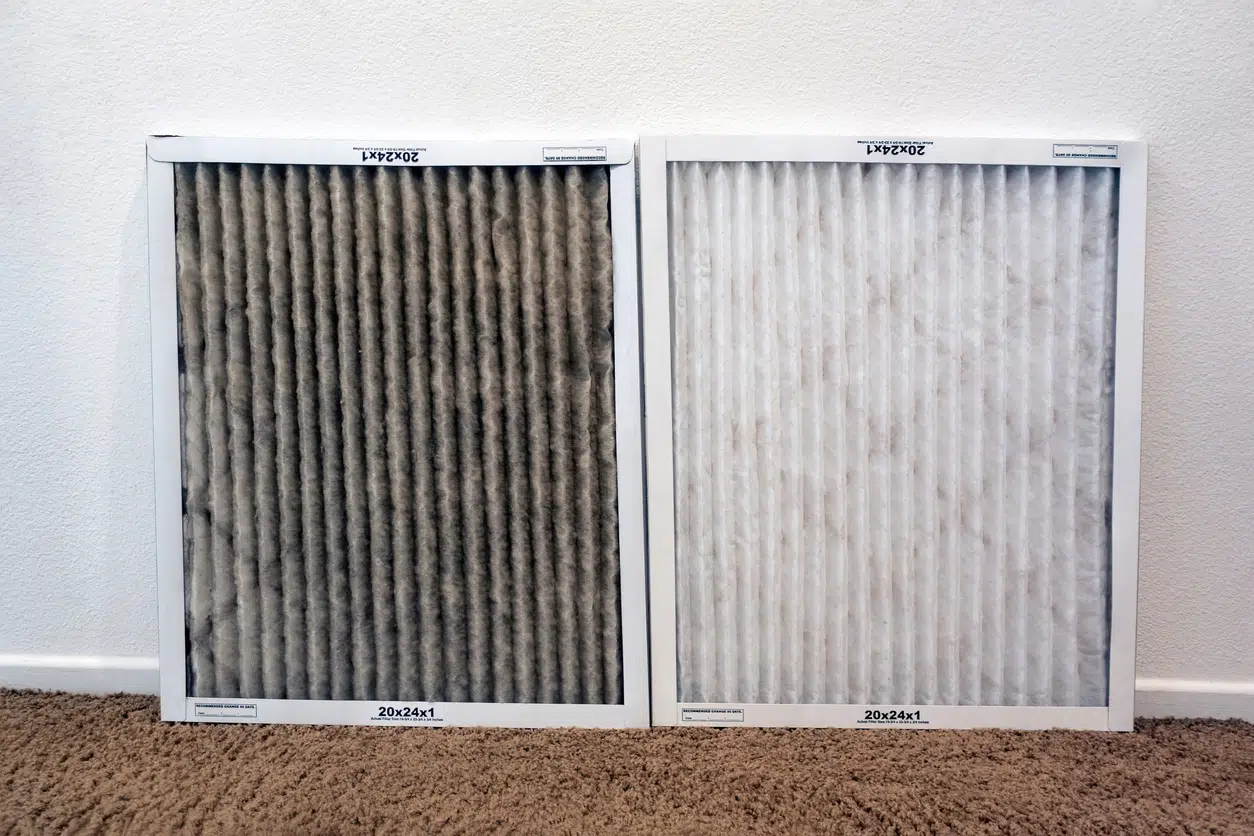
Even the DOE recommends cleaning or replacing your filter monthly during cooling season, and one that’s been sitting since winter is almost certainly ready to be replaced. If it’s clogged when your system kicks on for the first time, it’s already working harder than it should. During allergy season, a dirty filter can also make indoor air quality noticeably worse, especially across DFW’s peak pollen months.
2. Confirm Your Thermostat is Set Correctly
Switch to cooling mode and run the system for a few minutes before the first hot day forces the issue. Make sure cool air is actually coming through, not just air movement.
3. Clear Your Outdoor Unit
Months of winter debris, like leaves, mulch, and branches, can pack against condenser fins and choke airflow from the very first cycle. Two feet of clearance on all sides is the minimum.
What to Schedule in the Next Few Weeks
These items are important, but they don’t have to happen on day one. The key is getting them done while the weather is still mild and HVAC companies aren’t buried in emergency calls.
1. Book a Professional Inspection
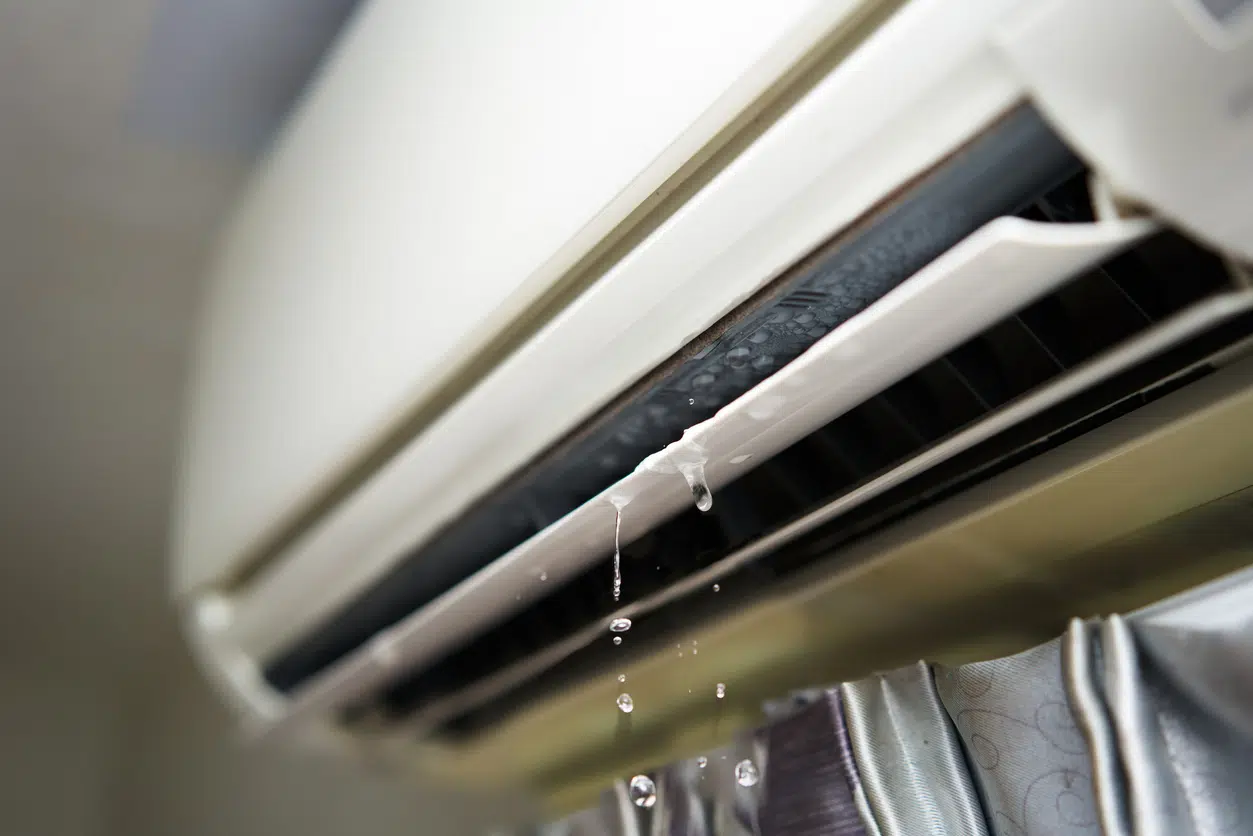
This is where residential HVAC maintenance goes beyond what you can see or safely evaluate. A technician checks refrigerant charge, electrical connections, coil condition, blower motor performance, and condensate drainage. These are components that quietly degrade over a heating season and fail under summer demand.
2. Walk Your Vents Room by Room
Furniture shifts over winter. Rugs get moved. Vents end up blocked without anyone noticing. Pressure imbalances from obstructed vents force the system to push harder and cool unevenly.
3. Listen and Observe During the First Few Days of Use
Strange noises, uneven cooling, warm spots, or short cycling are all early signals. They’re much easier (and cheaper) to address now than in July when the system is running full tilt.
Can Wait Until Early Summer, But Don’t Forget
Not everything needs to happen in April. These items are worth doing, but they won’t cause immediate problems if they slide into May or early June.
1. Evaluate Your Ductwork
If certain rooms never cool down no matter what you do, or if you can feel warm air leaking near duct connections in the attic, your ductwork may need attention. Leaks, gaps at joints, and poor insulation are common in older DFW homes, but they’re a scheduled project, not an emergency.
2. Consider an Indoor Air Quality Assessment
If allergies, dust, or stuffiness persist even after a filter change and professional tune-up, there may be a deeper airflow or filtration issue worth investigating. This is an optimization step, not a fix-it-now step.
3. Think About Your Long-Term Plan
DFW’s cooling season runs roughly seven months, from April through October. That extended runtime means local systems tend to wear out faster than the national average. If yours is older and needed repairs last summer, spring is a good time to start researching options. Not because you need to act today, but because making that decision under pressure during a July breakdown never goes well.
Why the Order Matters as Much as the List
Most HVAC maintenance guides treat every task like it carries the same weight. In DFW, that’s not how it plays out. A system that runs its first cooling cycle with a clogged filter and blocked condenser is already under strain before the real heat arrives. Stack a few more overlooked items on top of that, and you’re looking at a mid-summer breakdown that could’ve been prevented with 30 minutes of attention in April.
The goal isn’t to do everything at once. It’s to handle the right things at the right time, so your system enters summer with momentum rather than having to catch up.

How Houk’s HVAC Maintenance Program Works
If prioritizing all of this feels like one more thing to manage, Houk’s Maintenance Program handles it for you. Our technicians perform a 27-point inspection that covers everything from refrigerant and electrical to coils, airflow, and drainage—so nothing gets missed or forgotten.
Members also get priority scheduling through FastTrack, a 15 percent discount on repairs, no after-hours charges, and a free diagnostic within 30 days of their last tune-up. No commission pressure or upsells involved, just honest assessments from a team that’s trained in-house at Houk University.
Schedule Your Spring HVAC Maintenance in Fort Worth With Houk AC
Spring maintenance is easier when you’re not figuring it out alone. Houk AC‘s technicians know DFW homes, DFW weather, and exactly what your system needs heading into another long Texas summer. Whether it’s a 27-point inspection or a full system evaluation, we’ll make sure nothing gets missed. Schedule your spring maintenance with Houk AC today and get ahead of the heat.