

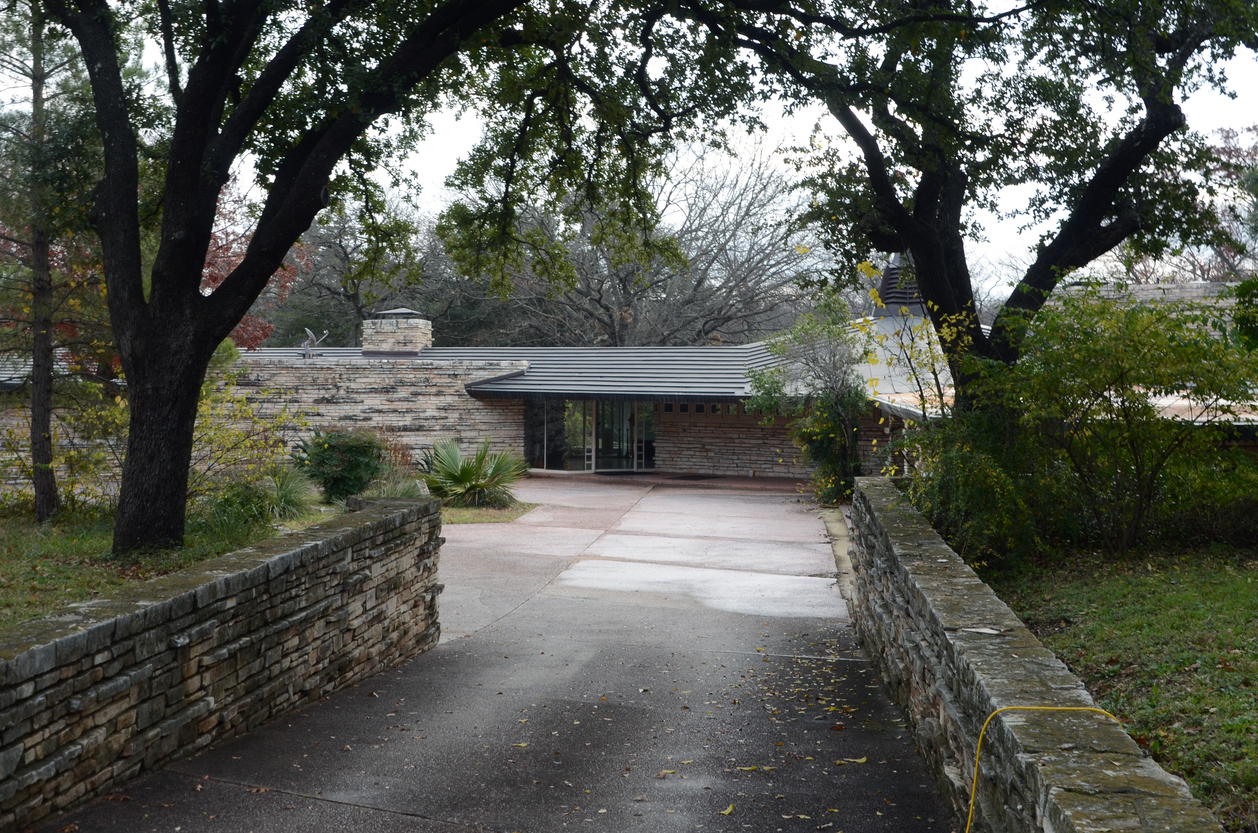
If you own one of the older homes lining Highland Park, University Park, or Preston Hollow, you know they have a character all their own. Many were built between the 1920s and the 1950s, with additions and updates layered on by the families who loved them.
You probably also know they don’t always stay cool the way a newer house does. Thick plaster walls, tall ceilings, and rooms that were never meant for central air can make an older Dallas home feel uneven from one room to the next.
The good news is that these homes can be wonderfully comfortable with the right approach. Whether you’re here in the Park Cities area or dealing with the same quirks in an older home somewhere else, here’s where the real cooling problems hide, and how to fix them.
Cooling a Historic Home at a Glance
- Why older homes run warm: plaster walls, high ceilings, and layered additions all work against even cooling
- The ductwork factor: aging or undersized ducts lose cooled air before it ever reaches the room
- Adding central air: modern retrofits cool these homes without touching their historic details
- Right-sizing matters: an oversized system cools unevenly and wears out faster in a larger, older home
- When to replace: a system that struggles every summer may be near the end of its life
What Makes Historic Park Cities Homes Harder to Cool?
The homes around here were built for a different era of comfort. Thick plaster walls hold onto heat, tall ceilings let cool air settle out of reach, and big original windows invite the afternoon sun right in.
Then there are the additions. A sunroom here, an upstairs expansion there, often running on the same system that once served a smaller footprint. That’s usually why one room feels perfect while another never quite catches up, and if you’ve noticed that in your own home, you’re far from alone.
How to Cool an Old House Starts With the Ductwork
In a lot of older homes with uneven or insufficient cooling, the ductwork is the quiet culprit. Ducts that were added mid-century, or threaded through tight wall cavities, can often be undersized or leaky.
According to ENERGY STAR, roughly 20 to 30 percent of the air moving through a typical duct system escapes through leaks, holes, and loose connections. In a home with original runs, that lost air is often why your upstairs bedrooms stay warm while the system runs and runs.
The plenum and main trunk lines decide how well air actually reaches each room.
Check out our guide on the role of a plenum in your HVAC system to learn more about how airflow moves through your home’s cooling system.
How to Restore Airflow in Aging Ducts
Sealing and resizing the ductwork brings airflow back and evens out temperatures between floors. It’s work for a licensed HVAC technician, since it means getting into ducts tucked behind walls, up in the attic, and down in crawlspaces.
Adding Central Air to an Old House
If your home has never had central cooling, or you’ve been getting by with a few window units, a full system can change daily life in the best way. The worry we hear most is about protecting the plaster, the trim, and the details that make these homes special.
Modern retrofits have come a long way. Because high-velocity systems use small, flexible ducts that fit inside existing wall cavities, and the air handler is compact enough for an attic or closet, most of your plaster and trim stays untouched.
Getting the Retrofit Sized Right
Sizing the equipment correctly is what makes everything else work. Capacity has to match the home itself, not just its square footage, which is why a proper Manual J load calculation is the right way to confirm the size.
A right-sized system cools your home evenly, avoids the short-cycling that wears equipment out early, and keeps the equipment and ductwork modest enough to fit your home as it is. It’s a real benefit in an older house, where an oversized system often means bigger ducts and more intrusion into the walls and ceilings you’re trying to preserve.
How to Keep an Old House Cool in Summer
Even with a great system, a few small habits help an older home hold its cool through the worst of a Texas July.
Follow these steps to ease the load so your AC isn’t fighting the heat alone:
- Shade your west- and south-facing rooms: draw the blinds or add exterior shade during the hottest part of the afternoon
- Help your attic breathe: a baking attic pushes heat down into your upstairs, so good ventilation takes real pressure off those rooms
- Run ceiling fans in tall rooms: fans nudge that settled cool air back down from high ceilings
- Close up the little gaps: weatherstripping around original doors and windows keeps the cooled air where you want it
When to Call in a Technician
These habits help, though they can’t make up for a system that’s undersized or worn out. If some rooms just won’t cool no matter what you try, it’s worth having a licensed HVAC technician look at the equipment and ductwork.
Signs an Older System Is Near the End
Even a system you’ve babied will eventually reach the point where repairs stop paying off. In older homes, a tired unit will struggle most during our longest, hottest stretches.
Climbing energy bills, repeat repairs, and rooms that never hit the temperature you set are all signs a system is wearing out. Together, they often mean it’s time to consider AC replacement.
Replacing an aging system is also your chance to undo old shortcuts, like the undersized ducts or mismatched equipment a past renovation left behind.
Preserving a Historic Home’s Character During HVAC Updates
For many owners of these older homes, the goal isn’t just comfort. It’s keeping a home’s character intact for the next generation, the same way it was kept for you. This is an area that takes its architecture seriously. Preston Hollow is even home to the John Gillin Residence, the only house Frank Lloyd Wright designed in Dallas.
That responsibility largely rests with you here. Highland Park and University Park don’t run a formal historic-district review, so there’s no city board deciding what you can change. Preston Hollow sits inside the City of Dallas, and most of it isn’t part of a historic district either.
Design Choices That Protect the Home
Protecting a home’s integrity comes down to the choices you and your contractor make. Minimally invasive systems, like the high-velocity and compact-equipment options we mentioned, let you add modern comfort while leaving original plaster, trim, and rooflines untouched. Discreet condenser placement and careful duct routing keep the changes out of sight.
Permits & Rules to Know
A few requirements still apply, whatever your home’s status:
- Dallas landmarks and historic districts: if a Preston Hollow home is a designated City of Dallas landmark or sits in a historic overlay, exterior changes can require a Certificate of Appropriateness first
- Permits: HVAC installations and replacements need proper permits and inspection, regardless of the home’s age
- Refrigerant handling: any technician working with refrigerant must hold EPA Section 608 certification
If your home is listed on the National Register of Historic Places and you’re using federal rehabilitation tax credits, your project follows the Secretary of the Interior’s Standards. Those favor reversible, minimally invasive work—one more reason the retrofit options above suit historic homes so well.
Getting Historic Home Air Conditioning Right
Cooling a historic home really comes down to treating it as one connected system. The ductwork, the size of the equipment, and the home’s original bones all shape how comfortable each room feels once summer settles in.
These homes reward patience and care. Seal the ducts, size the system correctly, and respect the details that make the place yours. An old home can be every bit as comfortable as it is timeless.
Schedule AC Repair in Highland Park, University Park, or Preston Hollow with Houk
Houk AC has looked after Dallas-area homes since 1962, including many of the historic houses that give the Park Cities their charm. That kind of history matters when your system has to work around plaster walls, original ductwork, and decades of additions.
As a trusted HVAC company serving Highland Park, University Park, Preston Hollow, and the surrounding area, we understand what these homes need to stay comfortable without giving up an ounce of their character. Give Houk AC a call today, or send us a message, and let’s keep your historic home cool all summer long.