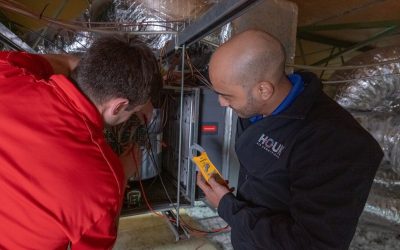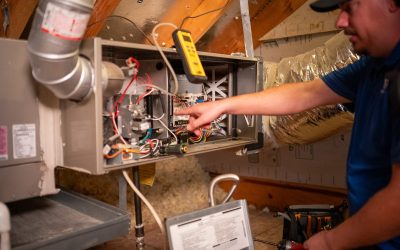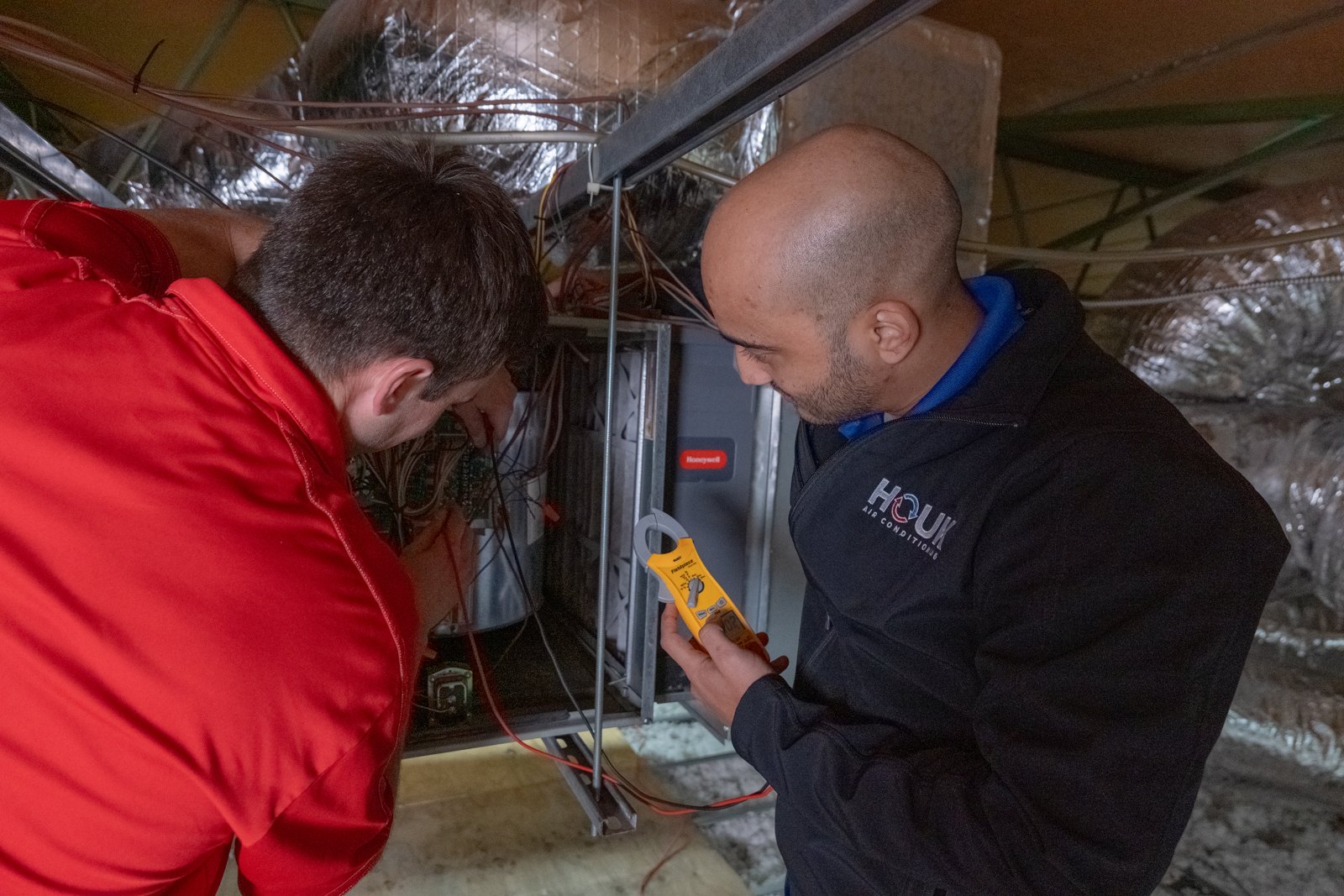
If you find suspected mold or microbial growth inside your air handler, start by finding where the moisture is coming from. Growth needs water, and in an HVAC system that usually means a slow or clogged condensate drain, standing water in the drain pan, low airflow, high indoor humidity, or humid attic air leaking into the system. Fix the moisture source first, then decide on cleaning.
That order matters. Cleaning, coil treatments, and UV lights can each play a role, but none of them removes the water that allowed the growth to start. If the moisture problem stays, the growth tends to come back.
Why does growth show up inside an air handler?
Your air conditioner removes humidity by pulling warm air across a cold evaporator coil. Moisture condenses on the coil, drips into a drain pan, and flows out through the condensate line. In a Texas summer, that system can move a lot of water every day.
Most of the time it works quietly. Problems start when water stays where it should drain away, or when surfaces stay damp long after the system shuts off. Dust and debris on a damp coil or pan give growth something to feed on. The EPA puts it simply: the key to mold control is moisture control.
What should be investigated first?
Before anyone recommends a treatment, a technician should look for the reason the inside of your system is staying wet. These are the most common places to start.
The condensate drain and drain pan
A partly clogged drain line can let water back up into the pan, where it sits and evaporates slowly. Look for standing water, rust, slime, or water stains around the air handler. A secondary drain or a float switch that keeps tripping is another clue. If you have noticed water around the unit, our post on why an AC leaks water covers the usual causes.
Airflow and filtration
A dirty or poorly fitting filter, closed supply vents, or a blower set too low can slow airflow across the coil. That can make the coil run colder than it should, collect more moisture, and in some cases freeze. Low airflow also lets dust bypass the filter and land on the wet coil. Check that the filter is the right size, seated properly, and changed on schedule.
Indoor humidity
High humidity in the house feeds growth inside the system and around it. The EPA recommends keeping indoor humidity below 60 percent, ideally between 30 and 50 percent. An inexpensive humidity meter can tell you where your home sits. Houston homes in particular can struggle here. Our post on what indoor humidity is normal in a Texas summer explains what to watch for.
System size and run times
An air conditioner that is too large for the house cools quickly and shuts off before it removes much moisture. The house can feel cool and clammy at the same time. If your system short cycles and the house feels damp, sizing is worth a look.
Air leaks and duct condensation
Air handlers and ducts in Texas attics sit in hot, humid air for much of the year. Gaps in the cabinet, return leaks, or poorly sealed connections can pull that humid air into the system. Ducts or plenums with missing or damaged insulation can sweat on the outside. Either one can keep surfaces damp near the air handler.
Is it mold, and is it dangerous?
Something that looks like mold may be mold, or it may be dust, debris, or another kind of buildup. The EPA notes that confirming mold can require an expert and sometimes lab analysis. A visual inspection is a reasonable first step, and your technician should be able to show you exactly what they found and where.
We cannot tell you whether growth in your system is affecting anyone’s health. If someone in your home has symptoms or health concerns, talk with a medical professional. On the HVAC side, the goal is the same either way: find the moisture source, correct it, and clean affected parts the right way.
Do UV lights fix mold in an HVAC system?
UV lights installed near the coil can help keep the surfaces they shine on cleaner by limiting microbial growth there. They are most useful as an added layer in homes where the coil stays damp during long cooling seasons, or for homeowners who want extra help keeping the coil clean.
A UV light treats a symptom in the area it reaches. The water that caused the growth is still there, along with any clogged drain, high indoor humidity, airflow problem, or attic air leak. That is why the moisture investigation should come first. Once the cause is corrected, a UV light may still be a reasonable choice for some homes. You can read more about how they work on our UV lights page.
Will cleaning the coil solve the problem?
Coil and drain pan cleaning removes the buildup that is there today. If the system has a lot of growth or debris on the coil, cleaning can restore airflow and give you a fresh starting point. It is a useful step when it is paired with a fix for the underlying moisture.
Cleaning alone, without changing the conditions that caused the growth, tends to buy time. Homeowners who have paid for a cleaning and seen growth return a season later are usually dealing with a moisture source that was never found.
What about duct cleaning?
Duct cleaning can be relevant when there is substantial visible growth inside hard ductwork, which the EPA lists as one reason to consider it. Even then, it belongs after the moisture source is found and fixed. Otherwise the ducts can become contaminated again. Ask your provider to show you the growth they see before you agree to the service. Our post on whether duct cleaning is worth it covers when it helps and when it does not.
What should you ask before paying for a treatment?
A recommendation for cleaning, UV lights, or other add-ons should come with a clear explanation. Before you approve the work, it is fair to ask:
- Can you show me photos of the growth and where it is?
- Where is the moisture coming from, and how did you confirm it?
- Was the condensate drain tested, and is the pan holding water?
- What did airflow and indoor humidity look like?
- If I only fix the moisture problem, what happens to the growth?
- Which part of this recommendation fixes the cause, and which part treats the result?
Houk technicians are paid by the hour, so the recommendation you get is based on what they find in your home. We will walk you through the cause first and explain any treatment options in plain terms, including when a whole-home dehumidifier or another indoor air quality solution makes sense for your home.
Frequently asked questions
Why does mold keep coming back in my AC?
Recurring growth usually means the moisture source is still there. Common causes include a slow or clogged condensate drain, standing water in the drain pan, low airflow, oversized equipment, high indoor humidity, or humid attic air leaking into the system.
Is it safe to clean mold off my air handler myself?
Homeowners can safely change the filter and check for standing water or a clogged drain. Cleaning inside the air handler involves electrical parts, delicate coil fins, and sealed panels, so it is best handled by a professional.
Do UV lights get rid of mold in HVAC systems?
UV lights can limit microbial growth on the surfaces they reach, such as the coil. They do not remove moisture or fix drainage, airflow, or humidity problems, so the cause should be corrected first.
What humidity level helps prevent mold?
The EPA recommends keeping indoor humidity below 60 percent, ideally between 30 and 50 percent. A humidity meter can help you track it at home.
Should I get my ducts cleaned if I found mold in my air handler?
Consider it after the moisture source is found and fixed, and only if a professional confirms substantial growth inside the ducts themselves.
Want a clear answer on what is going on inside your system?
If you have spotted growth, water, or a musty smell around your air handler, a Houk technician can inspect the system, trace the moisture source, and explain your options before recommending any treatment. Houk is family owned and operated and serves homeowners across Dallas, Fort Worth, and Houston.