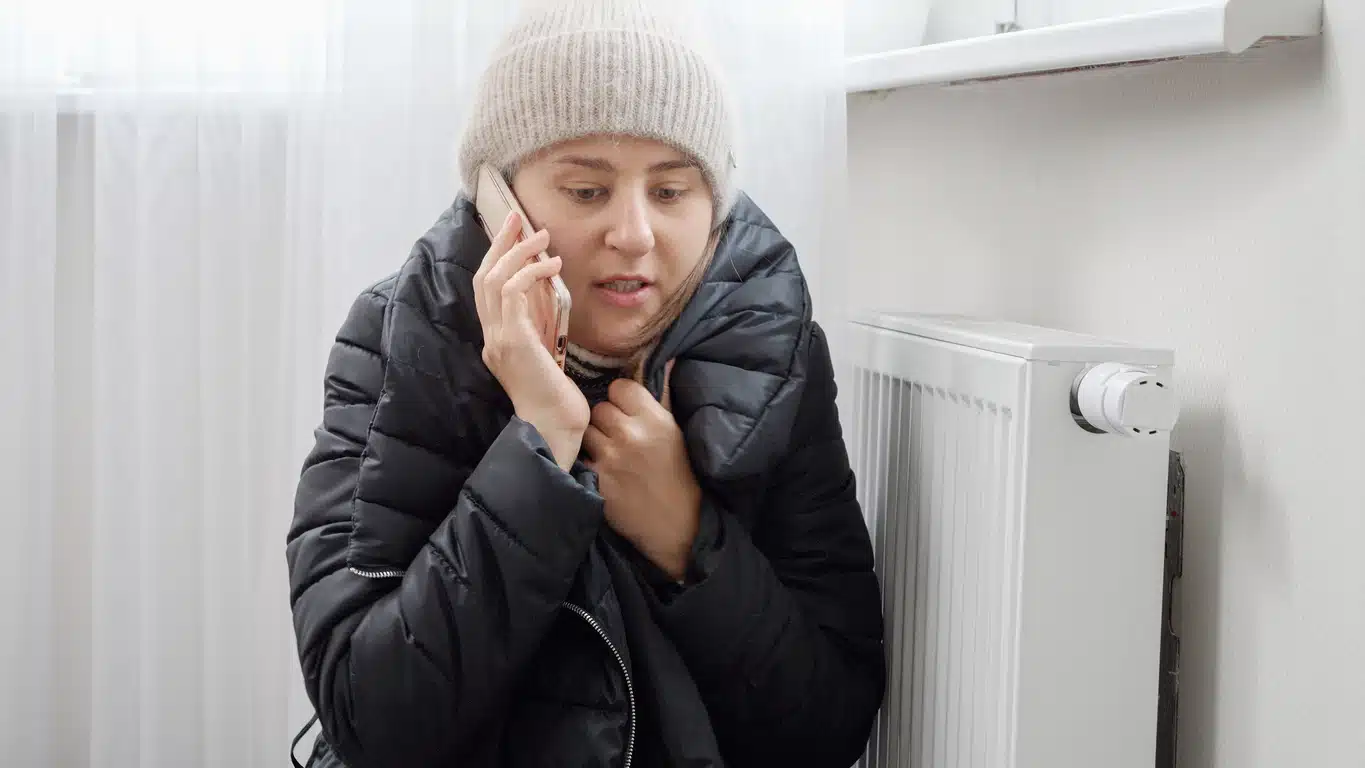
DFW winters can flip from mild to dangerous in a matter of hours, and when a hard freeze or power outage hits, your furnace takes the brunt of it. Furnace safety after a power outage or freeze is something every North Texas homeowner should understand, because a system that looks fine on the outside can have hidden problems that put your family at risk.
Let’s walk through what happens to your furnace during a weather event, the warning signs to watch for, and a step-by-step furnace safety inspection checklist to work through before you restart your system.
At a Glance
- Power surges can silently damage furnace control boards, igniters, and capacitors
- Frozen condensate lines are one of the most common causes of post-freeze furnace shutdowns in DFW
- A cracked heat exchanger is a carbon monoxide risk that’s invisible without a professional inspection
- You can handle basic restart steps yourself but some warning signs mean stop and call a pro immediately
What a Power Outage or Freeze Does to Your Furnace
Most homeowners assume that if the power is back on and the thermostat is set, the furnace is fine. But a lot can go wrong between the outage and that first heating cycle.
Power Surges Damage Electronics
When the grid comes back online, it often delivers a brief voltage spike that can fry your furnace’s control board, igniter, or capacitors. The damage isn’t always immediate, and it may not even show up until the next cold snap when you need heat most.
Freezing Temperatures Cause Condensate Line Blockages
High-efficiency furnaces drain condensation through a small line that can freeze solid during a hard DFW freeze. When it does, the furnace triggers a safety shutoff and won’t restart until the blockage is cleared.
This is one of the most common “no heat” calls Houk receives after a winter weather event, including a late-night call from a Highland Park family whose heat was restored the same night once the frozen line was identified.
Extreme Temperature Swings Stress the Heat Exchanger
This is the most serious risk. A cracked heat exchanger can allow combustion gases, including carbon monoxide, to enter your home’s air supply. It’s invisible without a professional inspection, and it’s why furnace safety checks after a hard freeze aren’t optional for older or poorly maintained systems.
Furnace Safety Inspection Checklist: Before You Restart
Work through these steps after power is restored and before running your furnace. Some are simple DIY checks, others are signs to stop and call a technician.
Post-Outage Furnace Safety Checklist
- Wait 5–10 minutes after power returns before restarting to let the voltage stabilize first.
- Check your thermostat and set it to HEAT with the temperature above the current room temp.
- Reset your circuit breaker by flipping the HVAC breaker off, then back on.
- Find the furnace power switch (it looks like a light switch, usually near the unit) and confirm it’s on.
- Inspect your air filter. A clogged filter can prevent a strained system from restarting. Replace the air filter if dirty.
- Check for diagnostic blink codes. Many modern furnaces use LED patterns to signal faults. Look up the code in your owner’s manual.
- Listen on startup. Grinding, banging, or squealing means shut it down and call for service.
- Smell the first cycle. A brief dusty smell is normal. Gas, rotten egg, or burning plastic odors are not. Evacuate and call immediately.
- Test your CO detector. Press the test button and replace batteries if needed.
Warning Signs That Mean Stop and Call a Pro
Some things go beyond a DIY checklist. If you notice any of the following, don’t keep troubleshooting. Shut the system down and contact Houk AC right away:
- A gas or rotten egg smell anywhere in the home (this could indicate gas leaks, which are extremely dangerous—leave the area immediately and seek professional help)
- A burning plastic or electrical odor from the unit
- Your carbon monoxide detector is sounding (leave the home immediately and call 911 first).
- The furnace is short-cycling, meaning it turns on and off rapidly without heating
- Loud banging, grinding, or squealing when the system tries to start
- Visible scorch marks or signs of melting near the unit
Pro Tip: Don’t keep resetting a furnace that’s showing a fault code or making unusual noises. Repeated forced restarts can turn a minor issue into a major repair or a safety hazard.
What to Know About Carbon Monoxide Poisoning
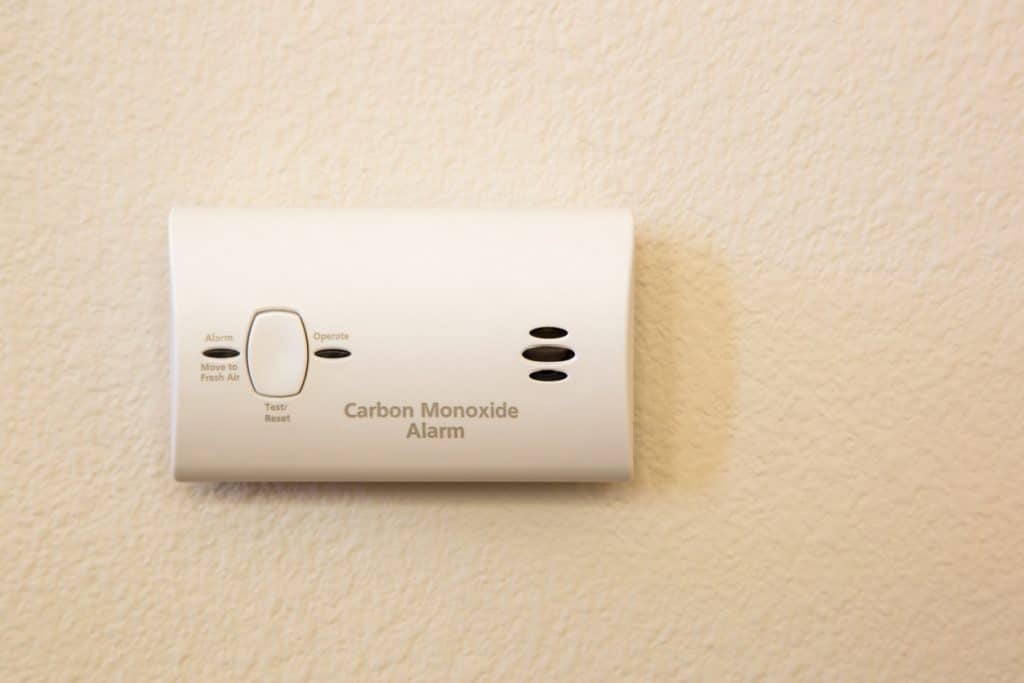
Carbon monoxide (CO) is a colorless and odorless gas that can cause dizziness, headaches, or even death with prolonged exposure. If anyone in your household experiences flu-like symptoms without a fever, such as headaches or dizziness, seek fresh air and medical help immediately, as this may indicate CO poisoning.
According to the Centers for Disease Control and Prevention (CDC), over 400 Americans die each year from unintentional CO poisoning not linked to fires, with many cases occurring in winter.
The U.S. Consumer Product Safety Commission (CPSC) recommends installing a CO detector on every level of your home and testing it monthly. If your detector is more than 5–7 years old, it’s time to replace it.
Common Furnace Safety Myths Worth Busting
A few things our technicians hear regularly that can actually make problems worse.
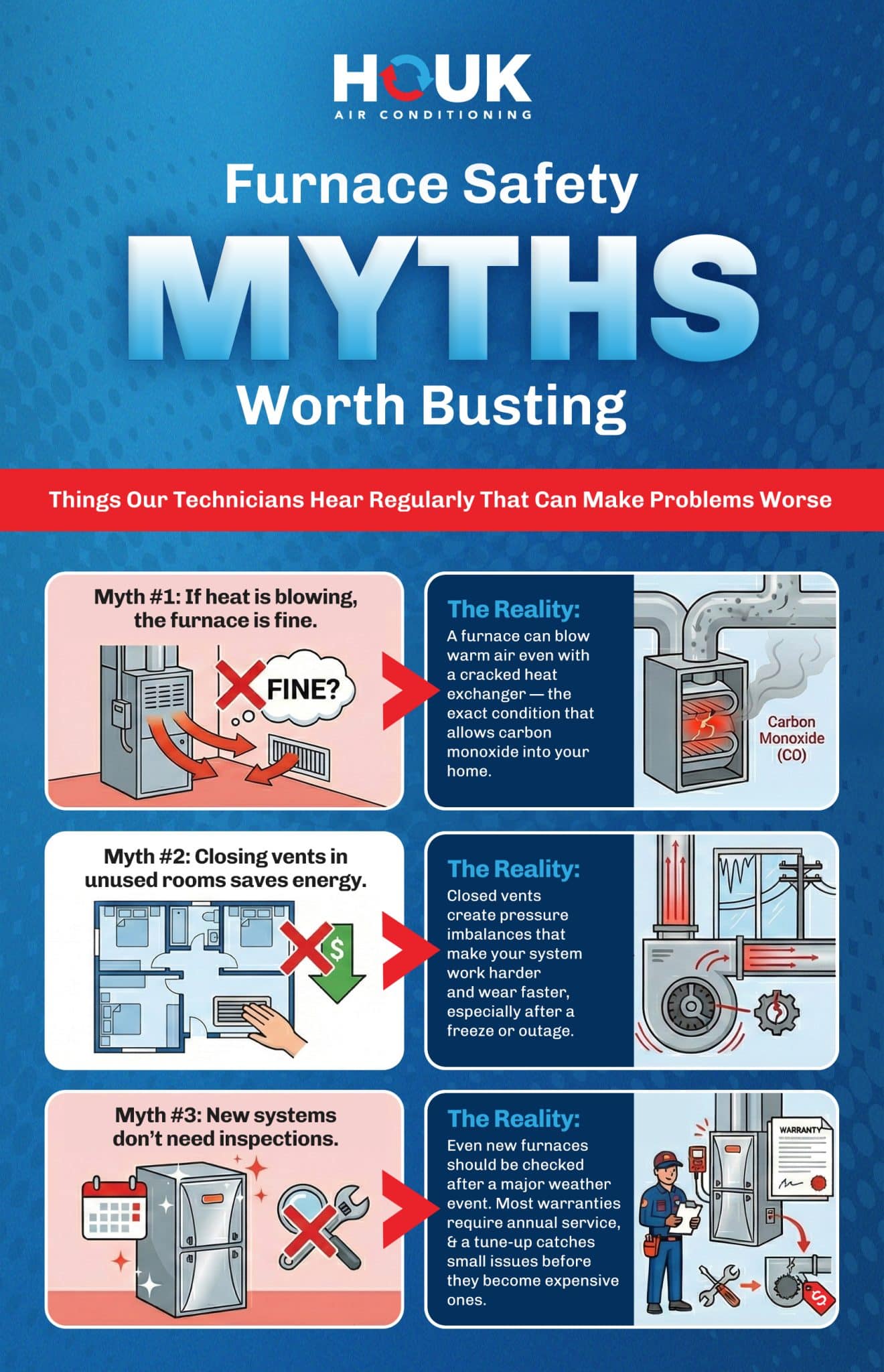
Myth #1: “If heat is blowing, the furnace is fine.”
Not necessarily. A furnace can produce heat even with a cracked heat exchanger, which is exactly the scenario that creates carbon monoxide risk.
Myth #2: “Closing vents in unused rooms saves energy.”
This creates pressure imbalances in your duct system, makes the furnace work harder, and accelerates wear, especially on a system that’s already been through weather stress. Proper airflow balance is essential to system efficiency and longevity.
Myth #3: “New systems don’t need inspections.”
Even a newer furnace should be checked after a significant weather event. Manufacturer warranties often require documented annual service, and a tune-up catches small issues before they become expensive ones.
FAQs: Furnace Safety After a Power Outage
Get answers to some common homeowner questions about furnace safety.
Should I turn off my gas if the power goes out?
Generally, no, you don’t need to shut off your gas during a standard power outage. Your gas supply is unaffected by electrical outages, and modern furnaces with electronic ignition will simply wait until power is restored to cycle back on.
However, if you smell gas at any point, leave the home immediately, don’t use any electrical switches or open flames, and call your gas provider from outside. The American Gas Association has additional guidance on gas safety during emergencies.
Does homeowner’s insurance cover furnace damage from a power surge or freeze?
It depends on your policy. Many standard homeowner’s insurance policies cover “sudden and accidental” damage, which can include surge-related furnace failures, but gradual wear or freeze damage from a lack of maintenance is often excluded.
Review your policy or contact your provider before filing a claim. The Insurance Information Institute is a good resource for understanding what’s typically covered.
What’s the difference between a furnace tune-up and a furnace safety inspection?
A tune-up focuses on optimizing your system’s performance: cleaning components, lubricating moving parts, checking refrigerant levels, and improving efficiency.
A safety inspection is specifically focused on identifying hazards: checking the heat exchanger for cracks, testing the flue for proper venting, verifying the gas connections, and inspecting the burners.
Houk’s Maintenance Program covers both: you get semi-annual “tune-ups” in the spring and fall, during which your HVAC tech will check for any safety issues and optimize your system’s performance.
Keep Your Family Safe This Winter
Furnace problems after a power outage or freeze aren’t always obvious, and the ones that aren’t obvious are often the most dangerous. Running through a basic furnace safety checklist before restarting your system takes just a few minutes and can help you catch issues before they become emergencies.
When in doubt, a professional inspection is always the right call, especially for systems 10 years or older.
Ready to Schedule Your Heating Service in Dallas-Fort Worth?
If your system has been through a recent freeze or power outage, or if it’s been more than a year since your last service, now is the time to get it checked.
Our certified technicians can inspect, clean, and tune up your HVAC system so you’re not left in the cold during the next DFW cold snap. Call our team today or schedule online!