
Your electric bill goes up every June, and by August, you’ve stopped opening it before setting it aside. Somewhere between the thermostat wars with your spouse and the AC running nonstop from 2 to 7 pm, you’ve probably wondered if there’s a better way to survive summer than just cranking the system harder and hoping the bill doesn’t hurt too much this month.
There is, and it has less to do with the number on your thermostat than you’d think. A higher-end HVAC system changes how a home feels day-to-day: steadier temps, lighter air, a unit that fades into the background instead of announcing every cycle.
Here’s what changes once you upgrade.
TL;DR: What a Premium System Changes
- Humidity actually gets pulled from the air, not just cooled, so rooms stop feeling sticky.
- The system runs quieter, ramping up gradually instead of slamming on with a loud kick.
- Every room matches the thermostat, so the far bedroom stops running warmer than the rest.
- Fewer hard starts and stops means less wear on the compressor and fewer repair calls.
- Costs more upfront, but pays back over time through lower bills and fewer service calls.
4 Things That Change the Moment You Upgrade to a High-Efficiency HVAC
Each comes down to how the system handles moisture, airflow, and cycling rather than raw cooling power.
1. The Air Stops Feeling Sticky
Once the humidity actually gets pulled out of the air instead of just cooled down, 74 degrees stops feeling like a locker room. Wood floors stop swelling in July. Musty smells in the closet disappear. This is usually the first change homeowners notice, and it has nothing to do with the number on the thermostat.
2. Your AC Stops Announcing Itself
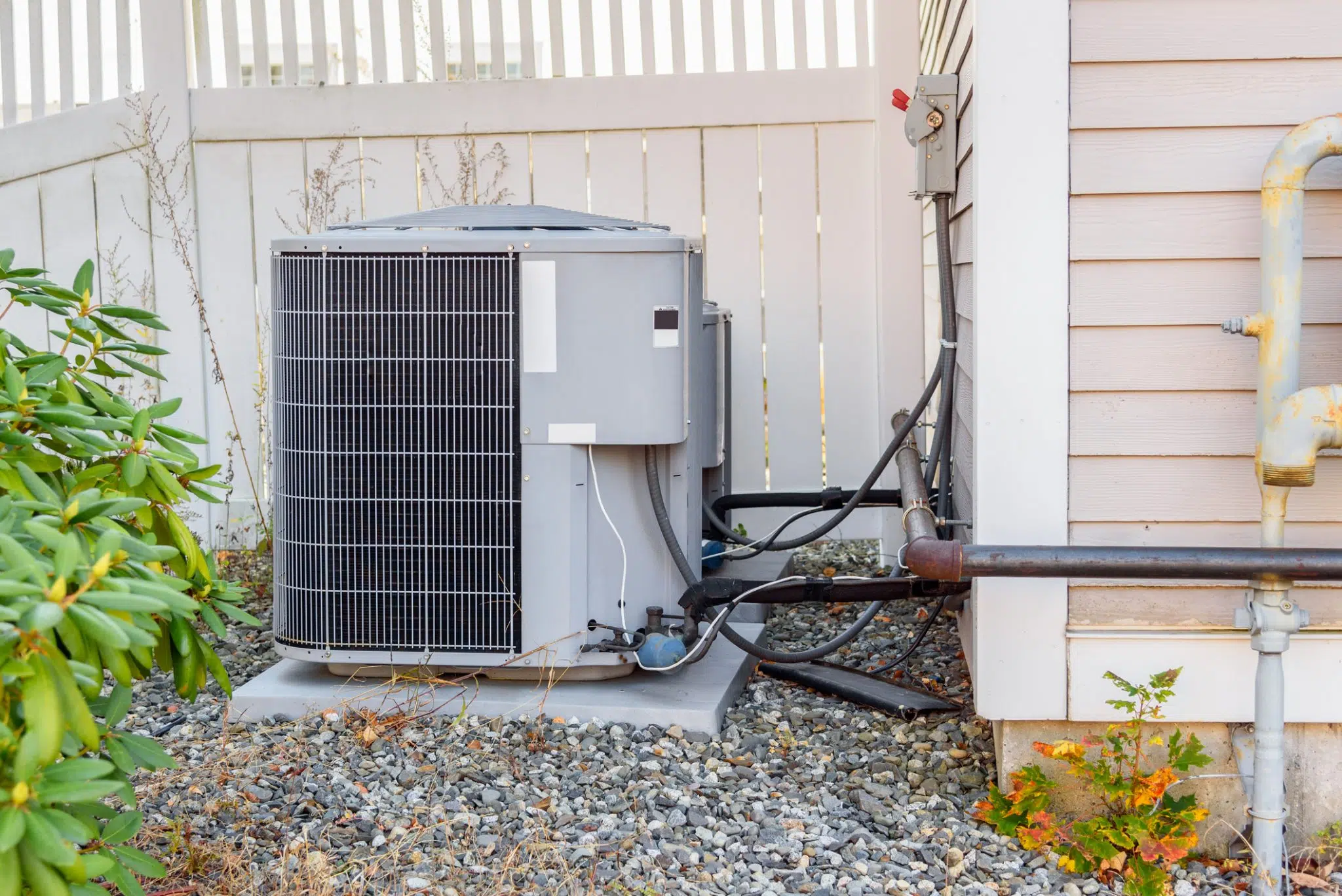
The loud kick-on and the rattle through the vents go away. Variable-speed compressors ramp up and down gradually instead of slamming on at full blast, so any noise from the unit outside fades into the background instead of interrupting conversations, naps, or work calls.
3. Every Room Finally Matches the Thermostat
The far bedroom stops running five degrees warmer than the living room. Instead of pushing one fixed blast of air and calling it done, the system modulates output in smaller increments, so upstairs and downstairs actually land at the same temperature instead of fighting each other.
4. The System Stops Cycling On and Off All Day
Instead of dozens of hard starts and stops each day, the system runs longer at lower output. That puts less mechanical stress on the compressor, and less stress on the equipment tends to mean fewer repair calls over the years, not just a better feel in the room.
What Happens During the Upgrade
The process starts with a technician measuring the home instead of guessing at a system size. That means a load calculation, a ductwork check, and a look at how air currently moves through the house, since installing a bigger system into the same undersized ducts just recreates the same problems in a shinier box.
The installation day itself typically takes one day for most homes, occasionally two for larger or more complicated setups. The crew removes the old equipment, installs the new system, and tests it under real conditions before leaving, so the first hot afternoon isn’t also the first stress test. Most homeowners are back to a fully functioning system by that evening.
Signs You’re Ready for a High-Efficiency HVAC Upgrade
A few telltale signs separate a normal AC replacement from a case where the higher-tier system actually pays off:
- The unit barely shuts off between May and September, running almost around the clock
- One or two rooms never catch up, no matter how low the thermostat goes
- The air feels sticky even right after the AC finishes a cycle
- The system just crossed the 10 to 12-year mark, the point where breakdowns start outpacing repairs
Any one of these is a sign the standard replacement won’t fix what’s actually bothering you. A technician can run a load calculation and ductwork check to pinpoint the size and tier that fits the home, instead of matching whatever the old system happened to be.
H2: What DFW Homeowners Ask Before Making the Switch
Most questions circle back to cost and fit, and the answers depend on the specific home.
H3: How long does a high-efficiency system typically last compared to a standard one?
AC units generally run 10 to 15 years with proper maintenance, and that holds true whether the system is standard or high-efficiency. The difference shows up in repair frequency instead. Variable-speed components put less mechanical stress on the system over time, so higher-tier units tend to need fewer service calls as they age.
H3: How much more does a high-efficiency system cost?
The upfront price runs higher than a standard system, typically by a few thousand dollars, depending on size and home layout. That gap narrows over time through lower energy bills and fewer repair calls, especially in the summer, when the AC runs for months without a real break. A technician can walk through actual numbers for your home, since the difference depends on square footage, current system age, and how the home performs today.
H3: Will an HVAC upgrade lower my energy bill right away?
Some savings show up in the very first billing cycle, but the fuller picture usually takes a full summer to reveal itself. Drier air and steadier temps often mean homeowners can raise the thermostat a degree or two without losing comfort, which compounds the savings over time.
H3: Is a high-efficiency system overkill for a smaller home?
Square footage matters less than how the current system performs and how long you plan to stay in the home. A small house with sticky air or one hot room can benefit just as much as a larger one, since the real issue is airflow and moisture control. A technician’s load calculation, ductwork check, and laser measurements settle the question for a specific home rather than guessing based on size alone.
Ready to Feel the Difference in Your Own Home?
Picture the version of summer where the thermostat isn’t a daily negotiation. Where the guest room finally matches the living room, the air doesn’t cling to your skin the second you step outside the shower, and the unit outside does its job without announcing it to the whole block. That’s not a fantasy version of your house. It’s the same square footage, the same walls, running on a system built to actually keep up with DFW summers instead of just surviving them.
Sizing the right system to the actual home is the difference between a good upgrade and a wasted one, and that’s the job Houk Air Conditioning has been doing across North Texas for over 60 years.
Schedule Your DFW Comfort Analysis Today
Local heat and humidity wear down equipment differently than they do in milder climates, and six decades of installing and servicing systems across North Texas has shown Houk AC exactly where that wear shows up first. Our Comfort Consultants bring that experience to every visit, running a load calculation and ductwork check before ever recommending a system. Schedule your comfort analysis today.