

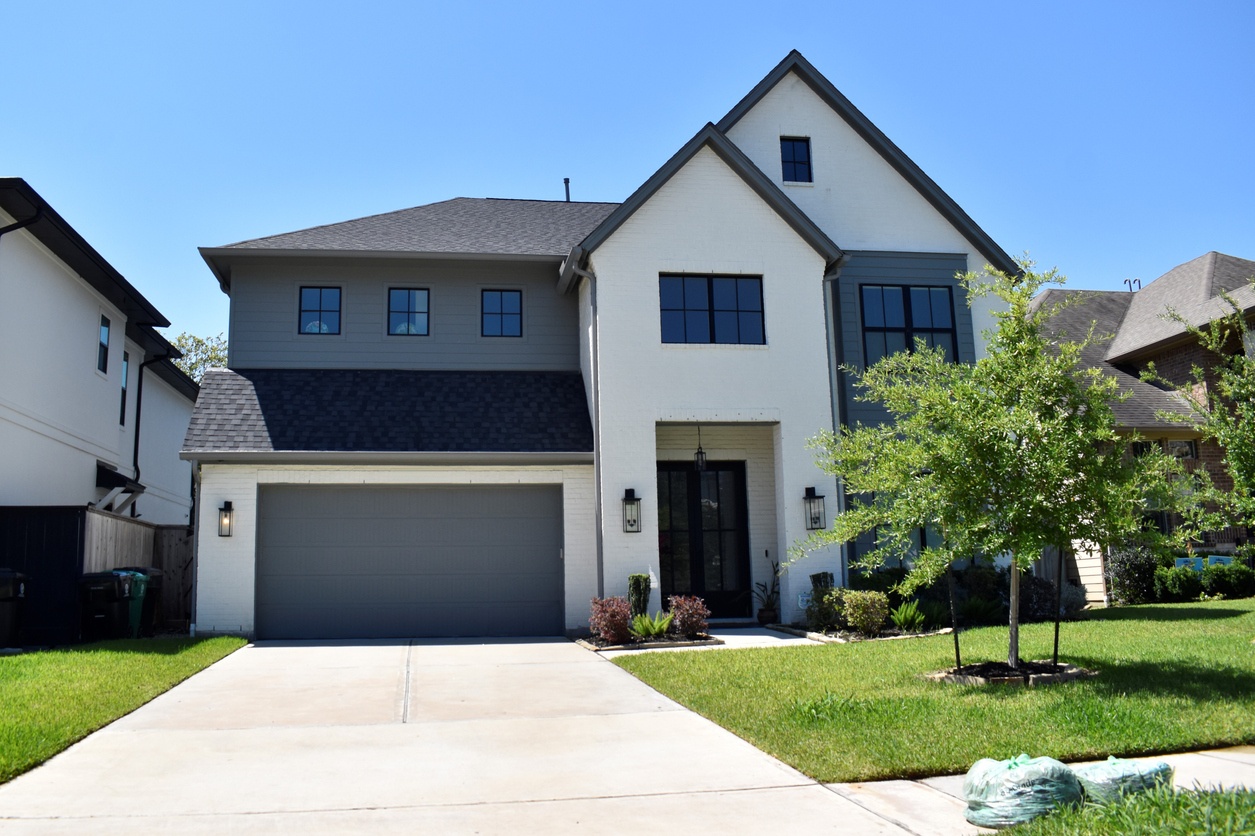
Drive the Dallas North Tollway past PGA Frisco, and you can watch neighborhoods rise almost block by block. The Fields development alone is planned for more than 10,000 homes, and new construction continues to fill in across North Dallas.
A new home comes with a new heating and cooling system, along with a learning curve that starts the first hot afternoon after move-in. Whether you just got your keys or you’re looking for a Frisco HVAC company to help you make sense of a system you’re still learning, this guide covers what you likely have, how to read its efficiency rating, and how to keep it protected.
Homeowners who bought a resale home face a different set of questions, starting with how well the previous owner cared for the system before closing.
At a Glance: New Build HVAC Essentials for Frisco and North Dallas Homes
Most new-home questions come down to what equipment you have, how it was sized, and what protects it. Here’s a quick summary:
- Builder-grade equipment is selected to meet code and fit the build budget, and it can serve you well with the right care.
- New systems are sized from a load calculation based on the home’s design, so the way you use your home can change what “right-sized” means.
- Split-system air conditioners installed in Texas since January 1, 2023, must meet a 14.3 SEER2 minimum, or 13.8 SEER2 for larger systems.
- Builder warranties typically cover HVAC for a limited period after closing, so the first year or two is the best window to catch installation issues.
- A few move-in habits involving filters, outdoor clearance, and thermostat setup protect a new system through its first years.
What Your New Home AC System Includes
Most new homes in Frisco and North Dallas have a split system. That means an outdoor condenser, an indoor coil paired with a furnace or air handler (often in the attic), ductwork, and a thermostat.
These core components of an air conditioning system work as a team. That means a weak link in one affects the others. Start by finding the data plate on your outdoor unit and noting the brand, model number, and install date. Those details answer most questions about your equipment and speed up any future service call.
Builder Grade AC Unit Basics
Builder-grade equipment is chosen to meet code requirements and fit within a home’s construction budget. It’s often a single-stage system from a mainstream brand, rated at or near the federal efficiency minimum.
Single-stage systems run at full capacity whenever they are on, and they cool many homes reliably for years. The tradeoff tends to show up on those mild, muggy days, when two-stage or variable-speed systems can manage humidity more steadily.
How New Homes Get Sized
Builders and their HVAC partners size systems from a load calculation, most commonly ACCA Manual J. It accounts for square footage, insulation, windows, and the direction the home faces.
Getting this right matters because oversized equipment cycles on and off too often, reducing efficiency and weakening humidity control. The calculation reflects the home as designed, though, and daily life can shift the load. A home office running all day, a converted garage, or a west-facing game room full of electronics can all change how the system performs.
If a few rooms run warm while the rest of the house stays comfortable, have a technician check airflow and duct balancing first. Many new homes have adjustable dampers in the ductwork for this kind of fine-tuning.
SEER Rating Explained: What SEER2 Means for Your New Home
SEER stands for seasonal energy efficiency ratio. It compares the cooling a system delivers over a full season with the electricity it uses, so a higher number generally means lower operating costs.
In 2023, the industry moved to SEER2, an updated test procedure. SEER2 numbers run slightly lower than old SEER numbers for comparable equipment, so a system once rated 15 SEER now reads roughly 14.3 SEER2.
Texas falls in the Southeast region for federal efficiency standards. Under the 2023 regional minimums for central air conditioners, split systems below 45,000 BTU must reach at least 14.3 SEER2, and larger split systems must reach 13.8 SEER2.
For comparison, ENERGY STAR certified central air conditioners start at 15.2 SEER2. You can confirm your system’s rating on its yellow EnergyGuide label or by searching your model number in the AHRI Directory. A rating close to the minimum is useful context when you budget for future upgrades or AC replacement.
Warranty Realities for New Homeowners
A new home’s heating and cooling system is usually covered by both your builder and the equipment manufacturer. The new-construction difference is timing, since builder coverage generally begins around closing and runs on its own clock.
Your Builder Warranty
Many builder warranties follow a 1-2-10 structure: one year for workmanship, two years for systems like HVAC, and 10 years for structural elements. Coverage generally addresses installation or material defects, while routine upkeep is the homeowner’s responsibility.
Terms vary from builder to builder, so read your own documents and note when your system’s coverage ends. That date is worth putting on your calendar.
Your Manufacturer Warranty
Your equipment also carries a manufacturer parts warranty, which often outlasts builder coverage. In a new build, registration can slip through the cracks because it’s easy to assume the builder or installer took care of it.
If Houk installed the system in your new home, you can register your equipment online in a few minutes. Manufacturer coverage comes with its own conditions, and it works differently from labor and home warranties in ways that matter when you file a claim.
Move-In Habits That Protect a New System
The first year in a new home is when small issues are easiest to spot and address. These habits take little time and help a new system start its service life on solid footing.
Check Filters Monthly at First
Drywall dust and leftover construction debris load filters quickly during the first few months after move-in. Once filters stay clean between checks, you can return to the schedule in your owner’s manual.
Keep the Condenser Clear
New fences, shrubs, and fresh sod tend to go in fast once the moving boxes are unpacked. Follow the clearance listed in your manual so the outdoor unit can breathe through a Frisco August.
Set Up Your Thermostat
Builders often install a basic programmable model. If you’re weighing an upgrade, compare manual, programmable, and smart thermostats before choosing, and consider professional thermostat installation for compatibility.
Schedule a Check-Up Before Systems Coverage Ends
A professional AC maintenance visit in the first year or two can catch installation issues while the builder warranty still applies. Your technician can also confirm refrigerant charge, airflow, and drainage are where they should be.
Watch for Early Warning Signs
Short run cycles, water near the indoor unit, or rooms that never reach the set temperature are worth a call while the system is new. Catching these early keeps a small adjustment from turning into a bigger repair.
Getting the Most From a New Build System
A new home gives you a clean starting point for your heating and cooling system. Knowing what kind of equipment you have, how it was sized, and where its SEER2 rating lands helps you set realistic expectations for comfort and energy use.
Builder coverage runs on a short clock, so the first two years are the best time to confirm your system was installed and sized well. Small habits during that stretch, from filter checks to a well-timed tune-up, set the pace for how long the system serves your home.
Schedule North Dallas HVAC Service With Houk, Trusted Since 1962
Houk Air Conditioning has kept Texas homes comfortable since 1962, and our team designs and installs systems for Texas homebuilders. That builder-side experience means we understand new construction from the attic to the condenser pad.
From a first-year check-up to air conditioning repair Frisco homeowners can count on, we’re ready to help. Houk Shield Program members get priority scheduling and a detailed Comfort Tracking Report, a useful baseline for a system that’s still new. Call (833) 844-1962 or schedule online to keep your new system running strong.