
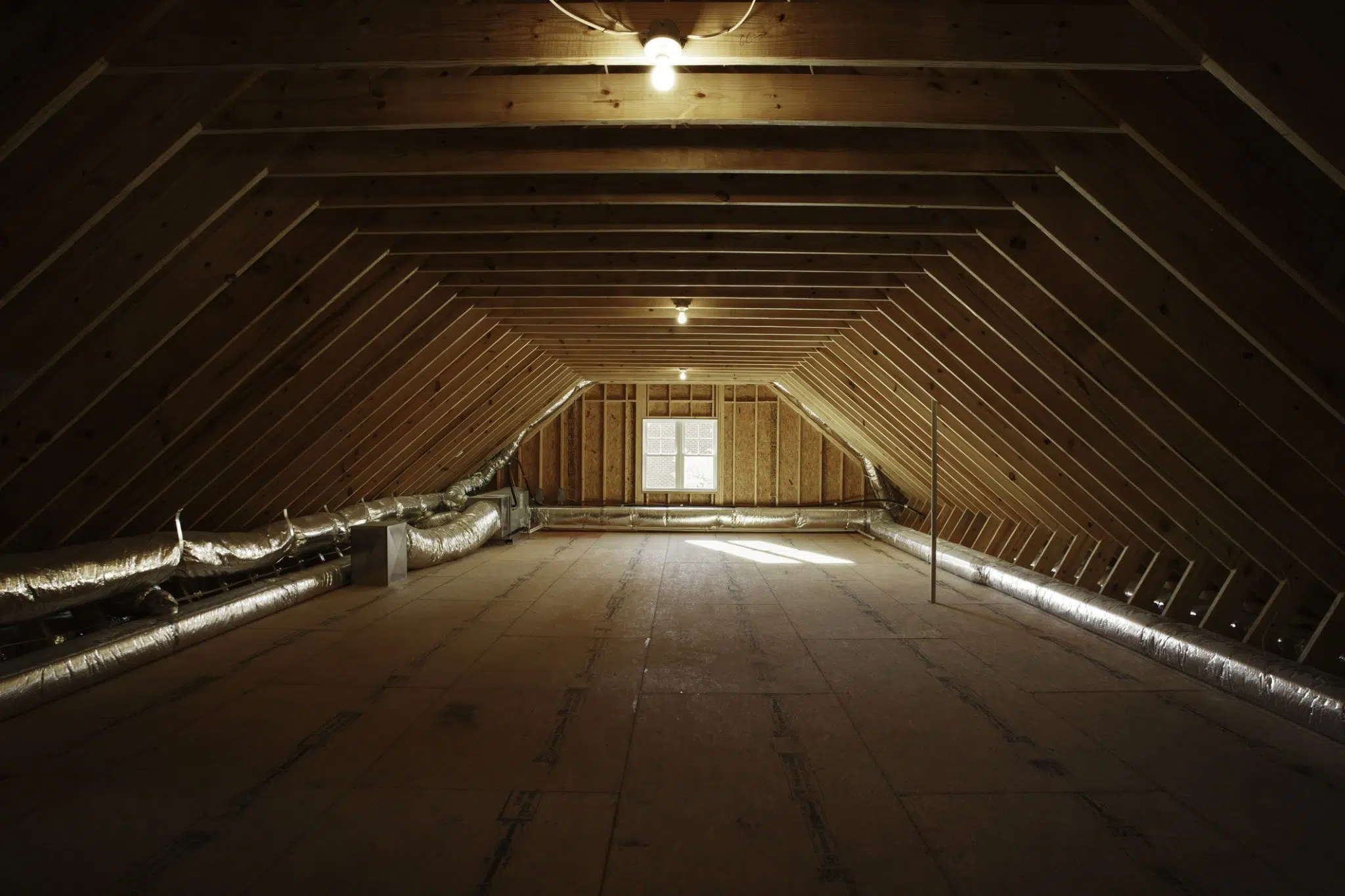
Picture two rooms in your house running at completely different temperatures: one at a comfortable 72, the other pushing past 140. Now imagine your air conditioner has to fight its way through the second room just to cool the first. That’s not a hypothetical; that’s your attic, every single July.
For the huge number of DFW homes with an attic-mounted air handler, this is the equipment’s daily reality. All that trapped heat seeps straight into the one system responsible for cooling your entire house, and it’s the root cause behind lost cooling capacity, stubborn condensate leaks, and rising energy bills. Here’s why it happens, and what you can do about it.
Attic Heat & Your AC at a Glance
- Your attic can run 50-70° hotter than the air outside
- Ductwork loses cold air on its way through the heat
- Your compressor works overtime just to keep pace
- Electrical components wear out faster in extreme heat
- Insulation, ventilation, and radiant barriers can fix it
Attics in DFW Summers Are Basically Ovens
Your roof is doing exactly what it’s designed to do: absorbing sunlight. The problem is where all that heat goes next.
Dark shingles soak up solar radiation all day long, and with nowhere else to go, that heat radiates straight down into your attic. Without strong airflow to push it back out, it just sits there and builds. By mid-afternoon, that trapped heat can push attic temperatures 50 to 70 degrees hotter than the air outside, turning the space into something closer to a convection oven than a room in your home.
That would be a non-issue if attics were just empty space. But here’s the catch:
- A large share of North Texas homes built over the past few decades were designed with the air handler and ductwork installed in the attic
- Some homes even have the evaporator coil up there, too
- It made sense as a space-saving move on paper, freeing up closets and utility rooms
The tradeoff? Your most heat-sensitive equipment ends up sitting in the single hottest part of your house, for roughly five months out of the year.
How Attic Heat Steals Capacity From Your AC

No air conditioner was built to perform in a 140-degree room. Every system is rated for cooling capacity based on a specific set of temperature conditions, and once the air around it runs far hotter than that, the equipment simply can’t deliver what the spec sheet promises. Instead, three things start working against you at once.
Your Ductwork Loses the Cold Air Before It Reaches You
Even tightly sealed ducts pick up heat as they run through a superheated attic. That 55-degree air leaving your unit has to travel twenty or thirty feet before it reaches a vent, and along the way, it warms up. The result: your system has to run longer just to hit the same temperature on your thermostat.
Your Compressor Has to Work Harder Just to Keep Pace
Cooling your home depends on a simple principle: heat moves toward cold. But when the air surrounding your outdoor equipment is already blazing hot, that temperature gap shrinks. Your compressor has to push harder and burn more electricity to move the same amount of heat out of your home.
Your Electrical Components Wear Out Faster
Capacitors, control boards, and blower motors are all built to operate within a specific temperature range. Attic heat routinely pushes these parts toward the edge of that range, which is a big reason attic-mounted systems in DFW tend to fail more often than systems tucked into conditioned space.
Put it all together, and you get a system that’s running nearly nonstop, pulling more power than it should, and still struggling to keep up—the exact frustration so many DFW homeowners feel every July and August.
How to Help Your Attic HVAC System Keep Up This Summer
Here’s the part that should make you feel better: none of this is permanent. Attic heat is a solvable problem, not something you’re stuck riding out every summer. It just takes the right combination of fixes for your specific home.
Beef Up Your Attic Insulation
Heat transfer starts at the roof deck, so this is where you can stop a lot of it in its tracks. Upgrading to modern blown-in or batt insulation at DFW’s recommended depths slows how much heat makes it down into your attic and from there into your equipment. It’s often the single highest-value fix a homeowner can make, and it pays you back on your energy bill too, not just your AC’s workload.
Give That Trapped Heat Somewhere to Go
Ridge vents, soffit vents, and powered attic fans all give superheated air a way out before it builds to extreme levels. Better ventilation won’t turn your attic into a conditioned room, but it can knock down peak temperatures enough to meaningfully ease the strain on everything installed up there.
Reflect the Heat Before It Even Gets In
A radiant barrier installed under your roof deck bounces a significant chunk of solar heat back before it ever enters the attic. Fewer BTUs getting in means a lower peak temperature during the brutal 2-4 pm window, which is exactly when your system needs the break most.
Rethink Where Your Ductwork Runs
Ripping equipment out of the attic entirely isn’t realistic for most homes. But improving duct insulation, sealing leaky joints, and rerouting ducts through shorter or shadier paths can all cut down how much heat your cooled air picks up on its way to your vents.
Get Your System’s Capacity and Condensate Setup Checked
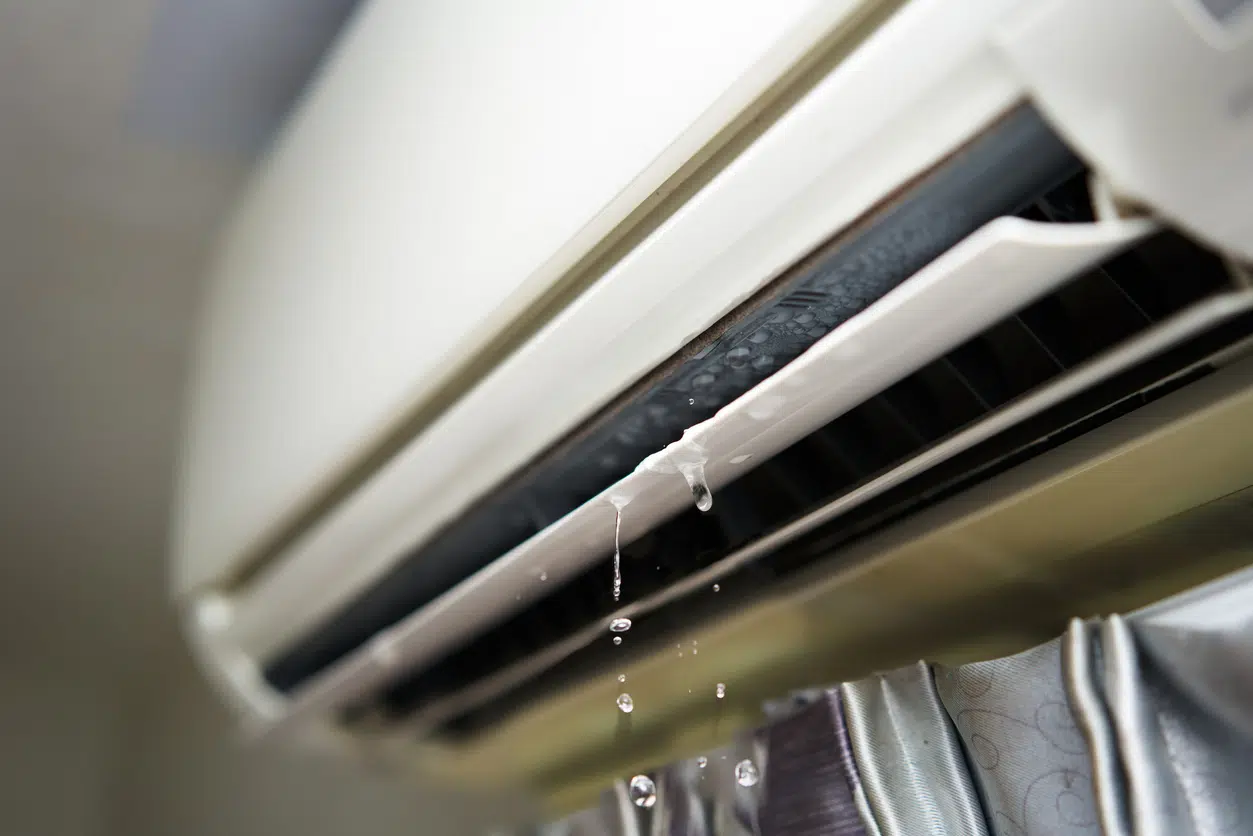
A system sized for your home years ago may no longer be the right fit if your insulation, ductwork, or usage has changed since then. And an aging condensate line, or a drain pan without a modern safety switch, is worth catching before the next heat wave, not after you find a stain on your ceiling.
The right mix of these fixes depends entirely on your attic, your ductwork, and your equipment. A real look at your specific setup is what turns a list of options into a plan that actually works for your home.
Getting Ahead of Next Summer’s Heat
Attic heat doesn’t get the credit it deserves as one of the biggest stressors on a DFW home’s HVAC system, and it rarely has a one-and-done fix. Beating it usually takes some combination of better insulation, smarter ventilation, and equipment or ductwork adjustments tailored to how your attic actually behaves in the peak of July and August.
So if your system’s been running nonstop, your energy bills have quietly crept up, or you’ve noticed the early signs of a condensate problem, that’s your cue. It’s time to find out what’s really happening above your ceiling.
Get Your Attic HVAC System Checked in DFW
The team at Houk AC has spent years diagnosing exactly this kind of attic-driven strain in North Texas homes. Whether the answer is better insulation, smarter ventilation, or a system change, we’ll help you find the fix that lets your AC finally keep up with a DFW summer instead of just surviving it.
Schedule a comfort analysis or AC maintenance visit so we can see exactly what your attic is doing to your system and fix it before next July.